


Pakistan–Afghanistan Tension: Border Conflict, Taliban Rule and Regional Impact
February 28, 2026 | by gangaram5248@gmail.com

Pakistan–Afghanistan tension has become a serious regional issue in recent years. Border clashes, airstrikes, and mutual accusations have increased distrust between the two neighboring countries. As a result, regional peace and security are under pressure. Although diplomatic talks continue, strong mistrust still exists between both sides.
Growing Pakistan–Afghanistan Tension
In the past few years, Pakistan–Afghanistan tension has increased due to border disputes and allegations of cross-border terrorism. Pakistan often accuses militant groups of using Afghan soil to launch attacks. On the other hand, Afghanistan claims that Pakistan interferes in its internal matters. Because of these ongoing disputes, stability along the border remains fragile.
Pakistan’s Recent Airstrike and Damage
Recently, Pakistan carried out airstrikes inside Afghanistan, targeting suspected militant hideouts in areas such as Kabul, Kandahar, Paktika, and Nangarhar. According to Afghan officials, at least 18 civilians were killed, and several others were injured. Buildings were damaged due to heavy explosions. However, Pakistan stated that the operation targeted terrorists responsible for cross-border attacks and claimed that more than 80 militants were eliminated.
This action further deepened Pakistan–Afghanistan tension, raising concerns about future escalation.
Afghanistan’s Counterattack
In response, Afghanistan launched counterattacks on Pakistani military positions near the border. Taliban forces reportedly used rockets and heavy weapons. Some checkpoints were damaged, and casualties were reported on both sides. Trade routes were temporarily closed, affecting local businesses and daily life.
The international community urged both nations to exercise restraint and resolve their issues through peaceful dialogue.
History of Unrest in Afghanistan
Afghanistan has faced political instability for decades. In 1973, the monarchy ended, and later in 1978, the Saur Revolution brought a communist government to power. Strict reforms and internal rebellion created unrest.
In December 1979, the Soviet Union invaded Afghanistan to support its allied government and maintain influence in the region. The Soviet withdrawal in 1989 did not end the crisis. Instead, civil war followed in the 1990s, which eventually led to the rise of the Taliban.
Timeline
- 1978 – Saur Revolution
- December 1979 – Soviet invasion
- 1989 – Soviet withdrawal
- 1990s – Civil war and rise of Taliban
These events pushed Afghanistan into long-term conflict and instability.
Rise of the Taliban and Their Government
The Taliban emerged during the 1990s Afghan civil war. The group, formed mainly by religious students, promised peace and strict Islamic law. In 1996, they captured Kabul and declared the Islamic Emirate of Afghanistan.
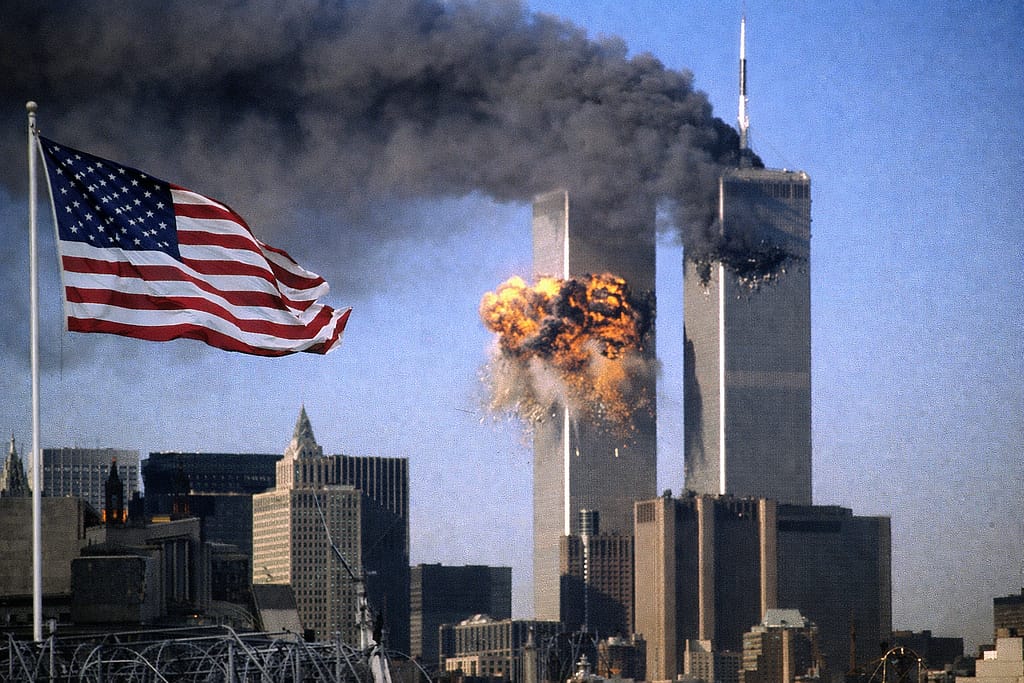
In 2001, after the 9/11 attacks, the United States entered Afghanistan and removed the Taliban from power. However, after two decades of war, foreign troops withdrew in 2021, and the Taliban regained control.
Under Taliban rule today, strict Islamic laws are enforced. Women face restrictions in education and employment. Media freedom is limited. While security measures are strict, Afghanistan faces an economic crisis and limited international recognition.
International Relations and Future Outlook
The Taliban government seeks global recognition but faces challenges. India has not officially recognized the Taliban regime, though it has provided humanitarian aid such as wheat and medicines. Meanwhile, China, Russia, and Pakistan maintain working relations with the Taliban authorities.
Western countries, including the United States, emphasize human rights, especially women’s rights, as a condition for recognition.
The future of Pakistan–Afghanistan tension depends on diplomatic engagement, internal reforms, and regional cooperation. If inclusive policies are adopted and cross-border violence decreases, stability may improve. Otherwise, economic hardship and isolation could continue.
Author: Vichaardeep Published on: 28 Feb 2026 Last updated on: 28 Feb 2026
RELATED POSTS
View all


Trump’s Bold Message: America First, Stronger, and Unstoppable!
December 18, 2025 | by gangaram5248@gmail.com

Nuclear Attack: When, Why & How , India’s Nuclear Doctrine
December 26, 2025 | by gangaram5248@gmail.com

Russia vs Ukraine: Why the War Began and When the Suffering Might End
December 23, 2025 | by gangaram5248@gmail.com